

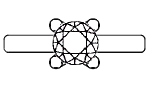
 Solitaire
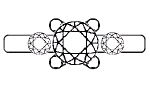 Side Stones
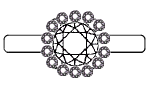 Halo Rings
 Brilliant Cut
 Princess Cut
 Emerald Cut
 Marquise Cut
 Oval Cut
 Pear Cut
 Heart Cut
 Cushion Cut
 Diamond
 Black Diamond
 Ruby
 Emerald
 Blue Sapphire
 Stud Earrings
 Halo Earrings
 Hoop Earrings
 Brilliant Cut
 Princess Cut
 Emerald Cut
 Marquise Cut
 Oval Cut
 Pear Cut
 Heart Cut
 Cushion Cut
 Black Diamond
 Ruby
 Emerald
 Blue Sapphire
 Solitaire Pendants
 Halo Pendants
4Cs of Diamonds: Cut, Colour, Clarity & Carat
t e2026-10-23T11:20:26+00:00DIAMOND EDUCATION
Understanding the 4Cs of Diamonds
Discover the four characteristics used to describe and evaluate a diamond: Cut, Colour, Clarity and Carat. Understanding the 4Cs can help you compare diamonds and choose the combination that best suits your preferences and engagement ring.
What Are the 4Cs of Diamonds?
The 4Cs of Diamonds are Cut, Colour, Clarity and Carat Weight. Together, they provide a widely used way to describe important characteristics of a diamond.
Each of the 4Cs contributes differently to a diamond’s appearance. Two diamonds with the same carat weight can look very different depending on their cut, colour and clarity. Understanding how these characteristics work together can help you focus on the qualities that matter most to you.
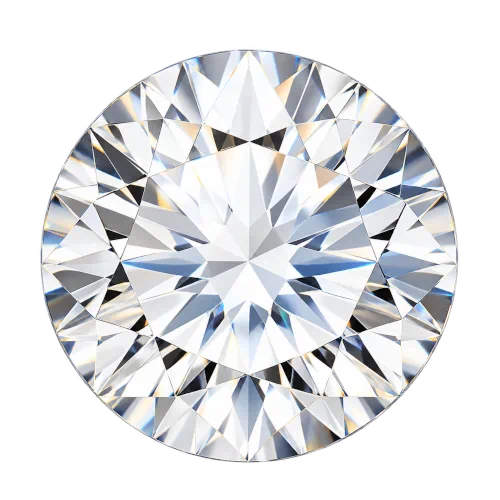
Cut
Sparkle & Proportions
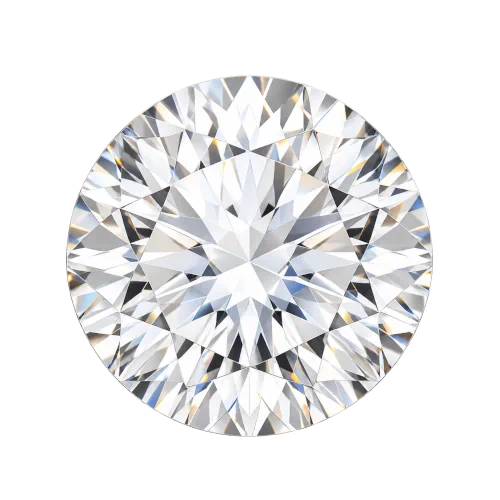
Color
Whiteness
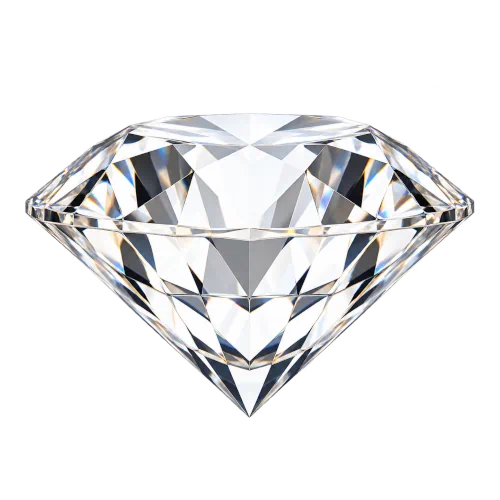
Clarity
Purity
Carat
Weight & Size
THE FIRST C
Diamond Cut
THE KEY TO BRILLIANCE
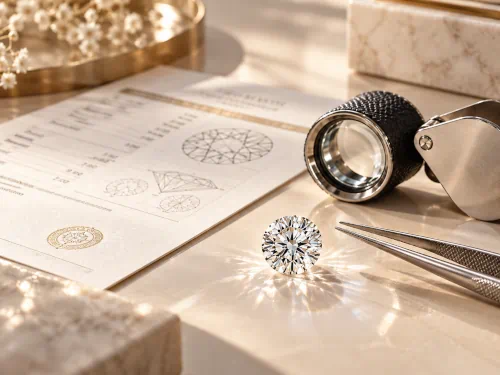
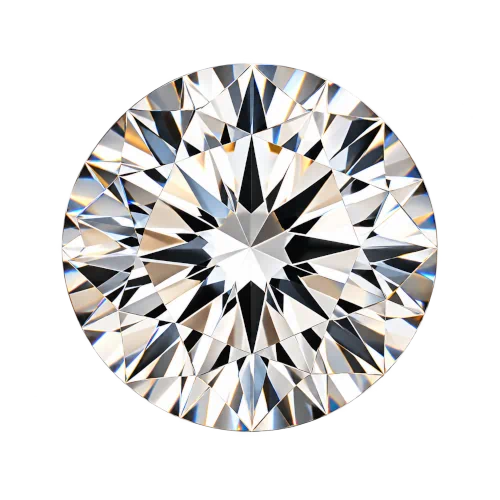
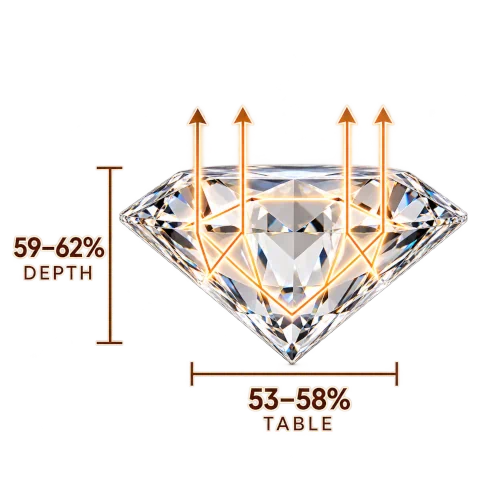
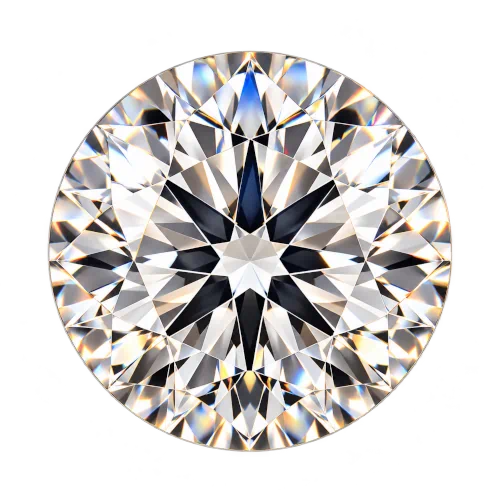
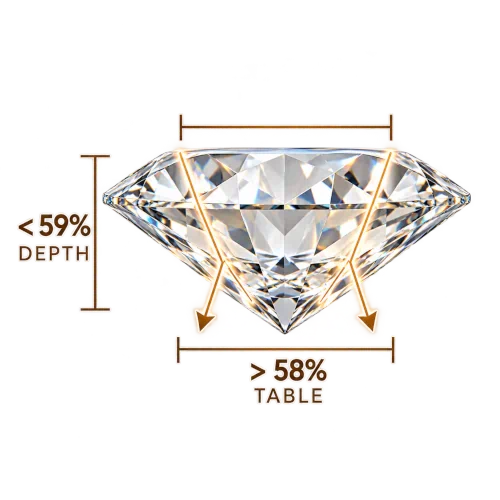
Diamond cut describes how well a diamond’s facets, proportions and angles work together with light. A well-cut diamond reflects light beautifully, creating exceptional brilliance, fire and sparkle.
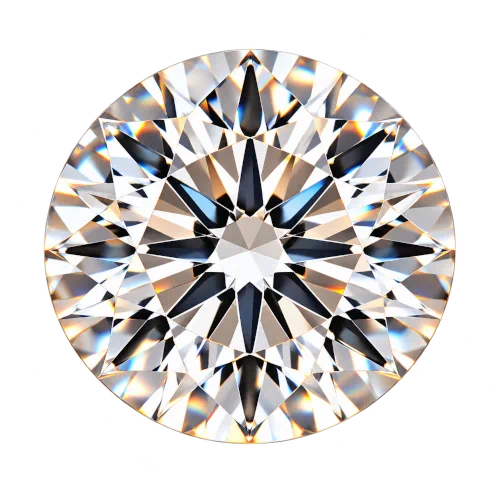
Excellent Cut
Ideal proportions and angles maximise light return, giving exceptional brilliance, fire and sparkle.
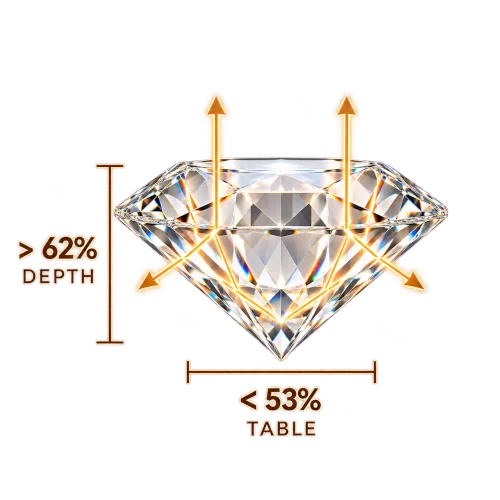
Too Deep
Excessive depth allows light to leak out through the sides, reducing brilliance.
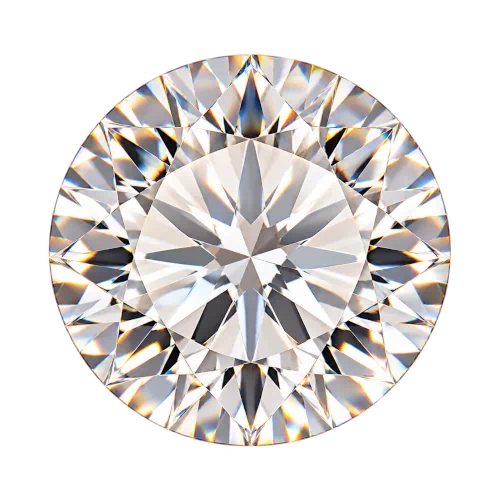
Too Shallow
Insufficient depth allows light to escape through the bottom, reducing brilliance.
THE SECOND C
Color
Diamond color refers to the natural presence of subtle yellow or brown tones in a diamond. The less color a diamond has, the rarer and more valuable it is.
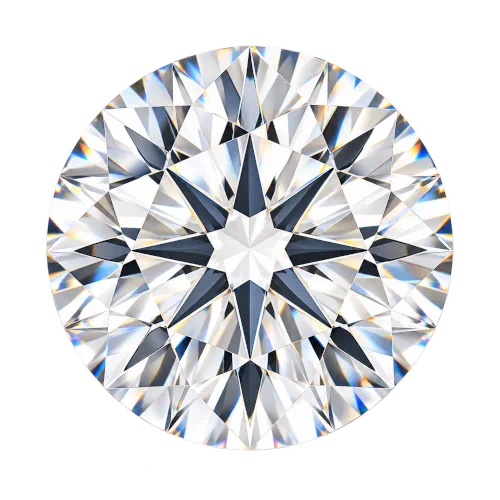
D–F
COLORLESS
Exceptionally rare and pure, with no detectable color.
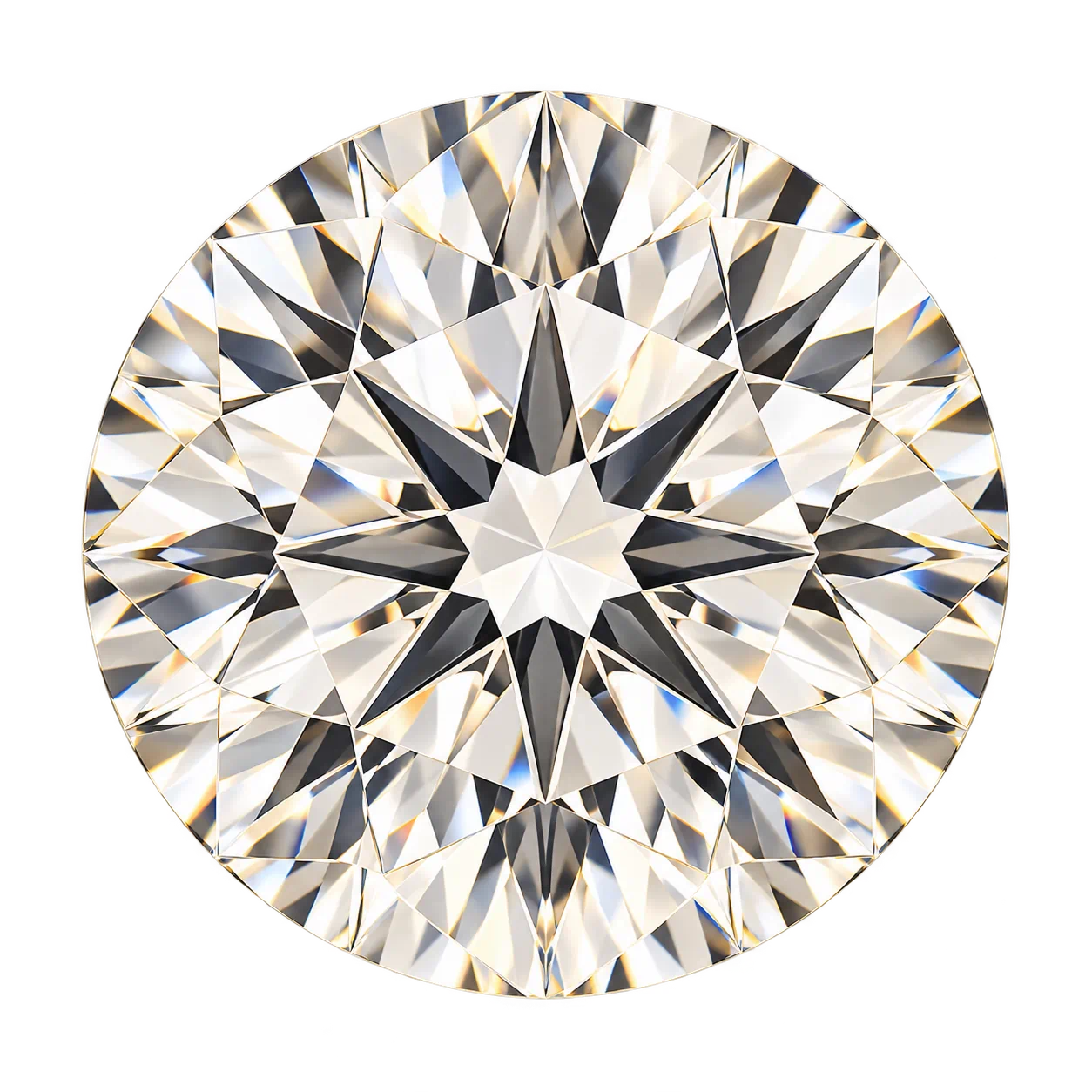
G–I
NEAR COLORLESS
Appears colorless to the naked eye, with only slight warmth.
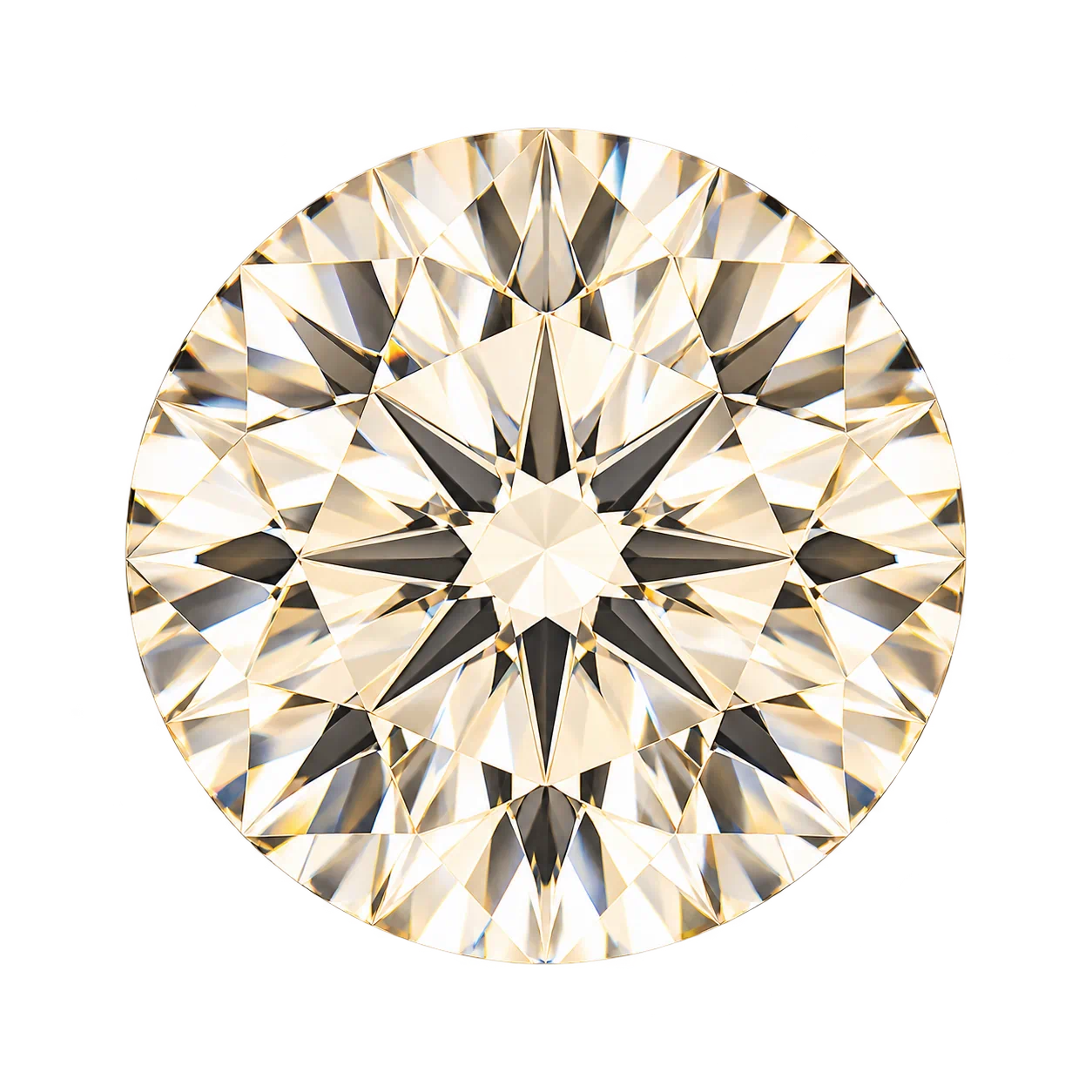
J–K
FAINT
A slight hint of color may be visible, offering excellent value.
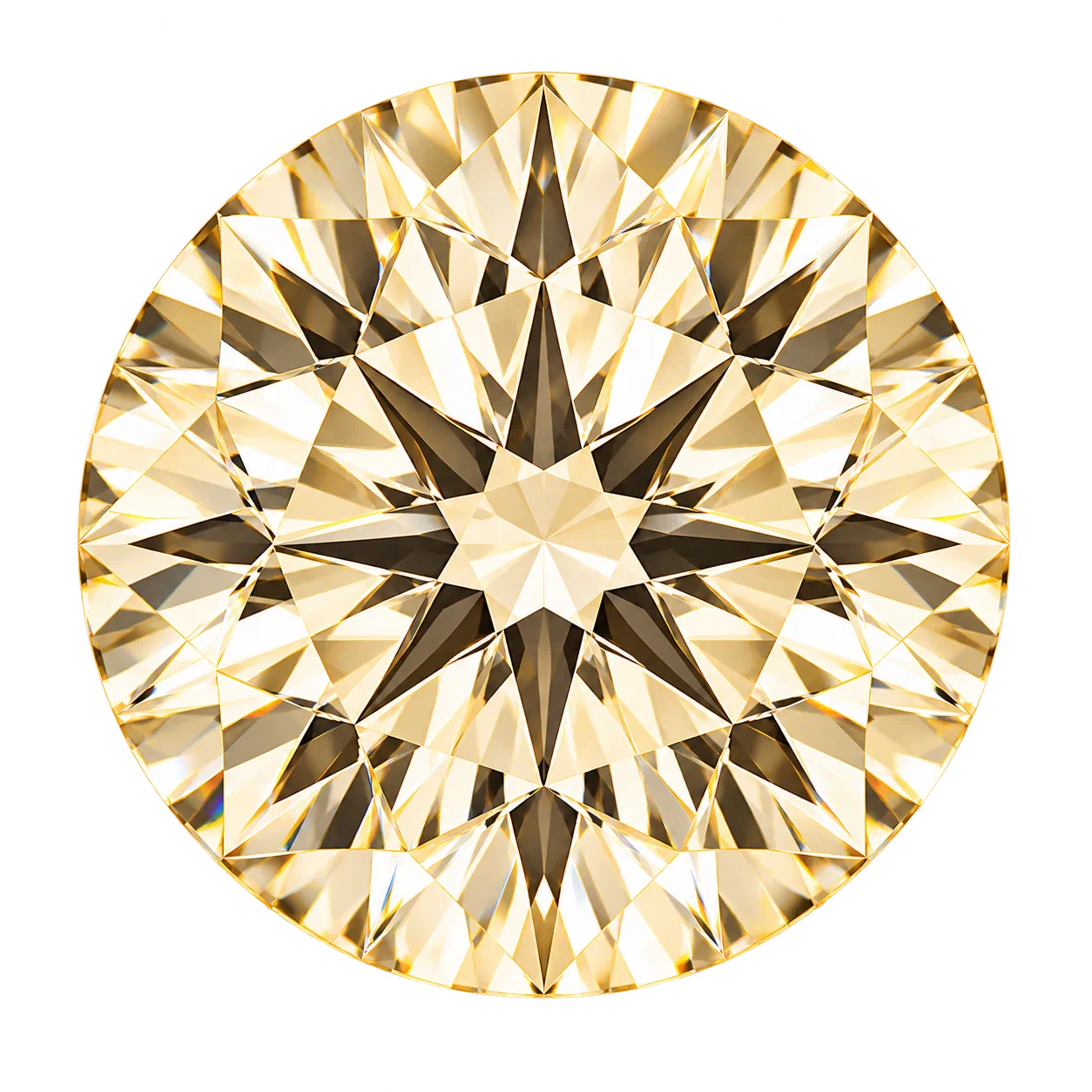
L–Z
NOTICEABLE TINT
A visible yellow or brown tint, often chosen for personal preference and value.
THE THIRD C
Diamond Clarity
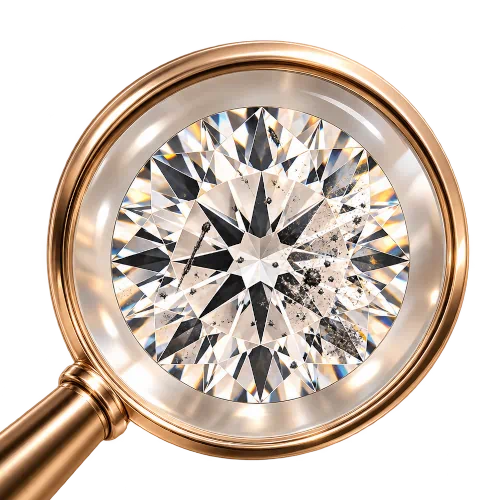
Diamond clarity describes the presence and visibility of natural characteristics known as inclusions, and external characteristics known as blemishes. These features are unique to each diamond and can affect its overall appearance.
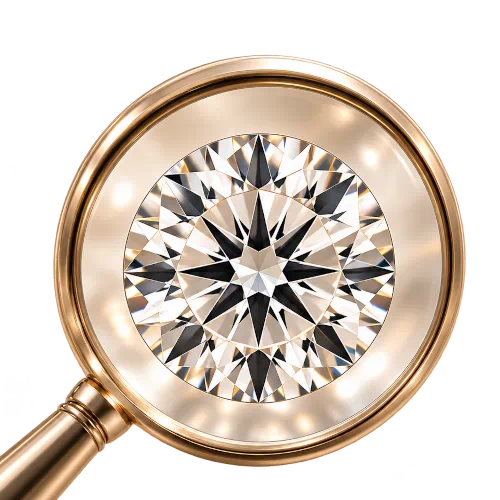
FL / IF
FLAWLESS / INTERNALLY FLAWLESS
No inclusions are visible under 10× magnification. These are the rarest and most exceptional diamonds.
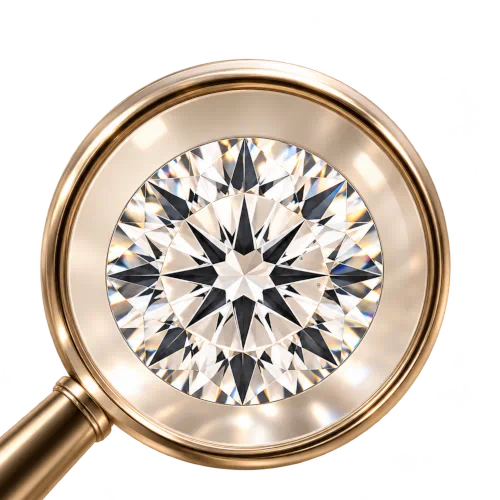
VS
VERY SLIGHTLY INCLUDED
Inclusions are very difficult to see under 10× magnification and have little to no effect on the diamond’s beauty.
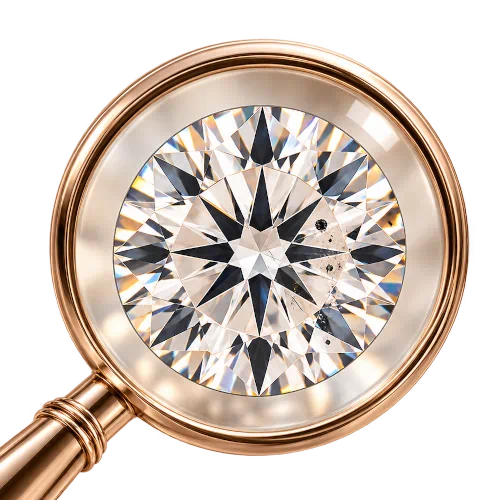
SI
SLIGHTLY INCLUDED
Inclusions are noticeable under 10× magnification and may be visible to the naked eye, but typically do not significantly affect beauty.
I
INCLUDED
Inclusions are obvious under 10× magnification and can often be visible to the naked eye, which may affect brilliance and transparency.
THE FOURTH C
Diamond Carat Weight
Carat is a measurement of a diamond’s weight, not its visible size.
Larger carat weights generally appear bigger, as shown below.
How the 4Cs Work Together
The best diamond is not automatically the diamond with the highest grade in every category. The four characteristics should be considered together.
A beautifully cut diamond with balanced colour and clarity can offer exceptional visual appeal without necessarily maximising every grade. Your preferred shape, setting and personal priorities should also influence your decision.
- Cut — brilliance and light performance
- Colour — appearance of the diamond’s body colour
- Clarity — visibility of inclusions and blemishes
- Carat — diamond weight and overall visual presence
The 4Cs and Diamond Shape
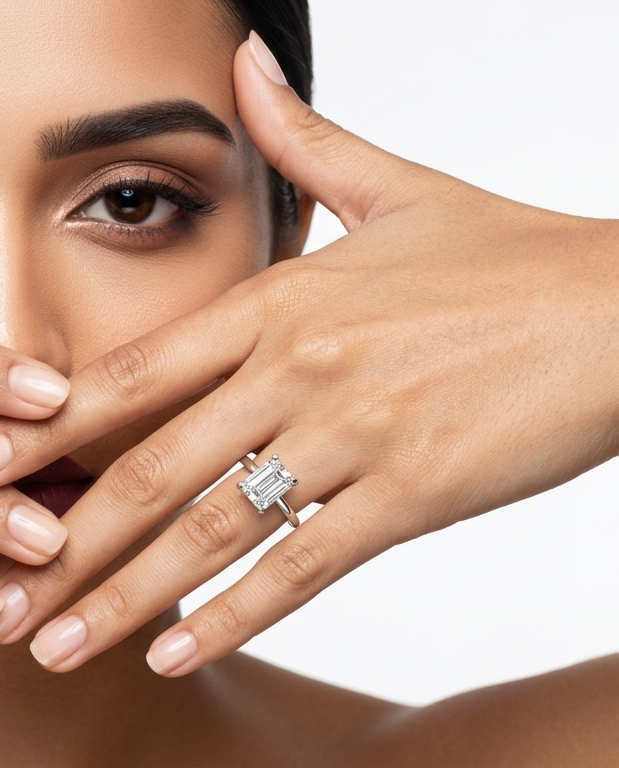
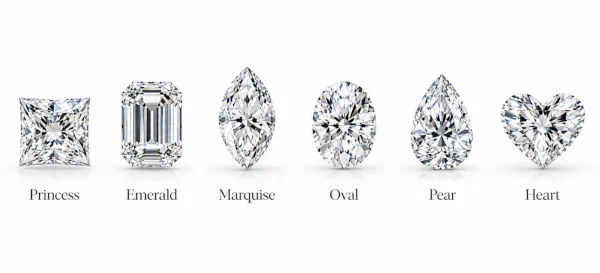
Diamond shape can influence how the 4Cs are perceived. A Brilliant Cut diamond is designed to create strong sparkle, while an Emerald Cut uses long step facets for a very different visual character. Oval, Pear and Marquise diamonds offer elongated proportions, while Princess and Cushion cuts provide distinctive geometric alternatives. Understanding both shape and the 4Cs can help you choose a diamond that reflects your personal style.
Natural and Lab-Grown Diamonds
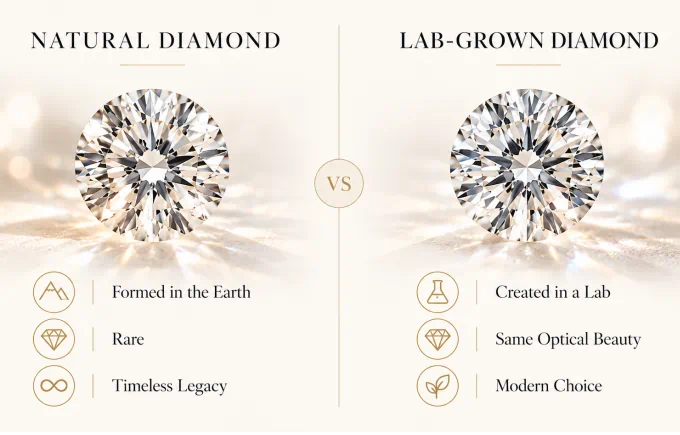
The 4Cs can be used to describe both natural and lab-grown diamonds. Both can be assessed according to Cut, Colour, Clarity and Carat Weight.
Their origin is different: natural diamonds form through geological processes in the Earth, while lab-grown diamonds are created using controlled technological processes.
Understanding the 4Cs remains useful when comparing the visual characteristics of either type of diamond and choosing one for an engagement ring.
At TONOUS Jewellery, you can explore engagement-ring designs featuring natural and lab-grown diamonds across a variety of shapes and settings.
FIND YOUR DIAMOND
Find the Diamond That Speaks to You
Understanding the 4Cs gives you a clearer way to compare diamonds, but choosing an engagement ring is ultimately a personal decision.
Explore TONOUS Jewellery and discover the combination of diamond, shape and setting that best reflects your individual style and your story.