


 Solitaire
 Side Stones
 Halo Rings
 Brilliant Cut
 Princess Cut
 Emerald Cut
 Marquise Cut
 Oval Cut
 Pear Cut
 Heart Cut
 Cushion Cut
 Diamond
 Black Diamond
 Ruby
 Emerald
 Blue Sapphire
 Stud Earrings
 Halo Earrings
 Hoop Earrings
 Brilliant Cut
 Princess Cut
 Emerald Cut
 Marquise Cut
 Oval Cut
 Pear Cut
 Heart Cut
 Cushion Cut
 Black Diamond
 Ruby
 Emerald
 Blue Sapphire
 Solitaire Pendants
 Halo Pendants
Diamond Cut Guide: Understanding Brilliance & Sparkle
t e2026-10-27T17:16:11+00:00DIAMOND EDUCATION
Diamond Cut Guide
A diamond’s cut plays a major role in how it interacts with light and how much brilliance, fire and sparkle you see. Discover how proportions, symmetry, polish and facet arrangement influence a diamond’s appearance and learn what to consider when comparing cut quality.
What Is Diamond Cut?
Diamond cut describes how a diamond has been proportioned, faceted and polished to interact with light.
It should not be confused with diamond shape. Round, Oval, Princess, Emerald and Pear describe the outline or shape of a diamond, while cut refers to the quality and arrangement of its facets and proportions.
A well-cut diamond can reflect and return light effectively, creating the brilliance and sparkle associated with a beautiful diamond.
Why Is Diamond Cut Important?
Of the 4Cs, cut can have one of the strongest visual effects on a diamond.
Even a diamond with excellent colour and clarity may appear less lively when its proportions do not allow light to return effectively through the top of the stone.
A carefully cut diamond can appear brighter, more balanced and more visually impressive.
This Diamond Cut Guide explains how proportions, symmetry, polish and facet arrangement influence a diamond’s brilliance, fire and scintillation. Understanding these elements can help you compare diamonds more confidently and recognise why two diamonds of the same shape and carat weight may look very different.
How Light Creates Diamond Sparkle
A well-cut diamond interacts with light in three beautiful ways.

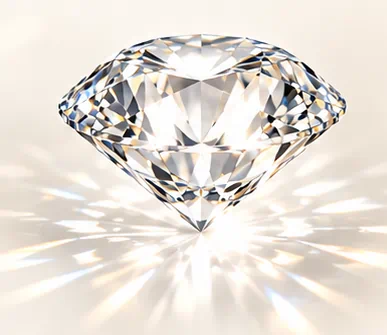
BRILLIANCE
The white light reflected from a diamond.

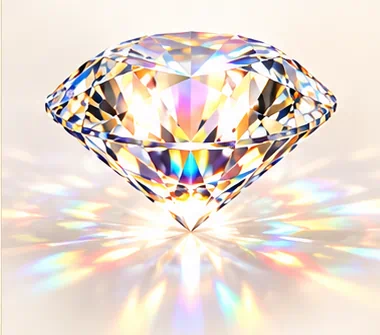
FIRE
Flashes of spectral colour created as light is dispersed.

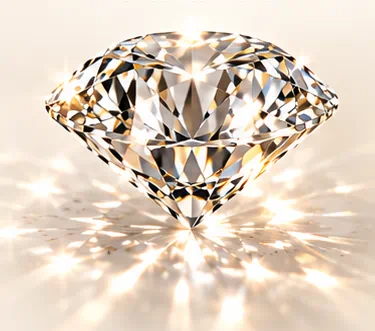
SCINTILLATION
Flashes of light and dark as the diamond or viewer moves.
Diamond Cut and Proportions
Several proportions influence the appearance of a diamond. These elements work together to determine how light enters, travels through and exits the diamond, creating its brilliance, fire and sparkle.
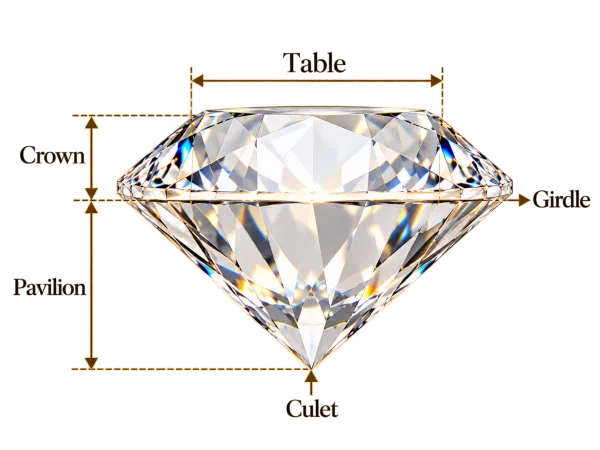
These elements work together to influence how light enters, travels through and exits the diamond.
1. Table
The large, flat facet at the top of the diamond. The table affects how much light enters the stone and influences its overall brightness.
2. Depth
The total height of the diamond from the table to the culet. Depth works with the table, crown and pavilion to ensure light is reflected back through the top of the stone.
3. Crown
The upper portion above the girdle. The crown angle and height affect how light enters the diamond and contribute to its brilliance and fire.
4. Pavilion
The lower portion below the girdle. The pavilion angle and depth determine how light is reflected inside the diamond and back to the viewer, creating sparkle.
5. Girdle
The thin, outer edge that separates the crown from the pavilion. The girdle can range from very thin to very thick and helps protect the diamond while influencing its overall appearance.
Diamond Cut Grades
The cut grade shows how well a diamond’s proportions, symmetry and polish work together to interact with light. A higher cut grade generally delivers greater brightness, fire and sparkle, creating a more beautiful diamond.
EXCELLENT
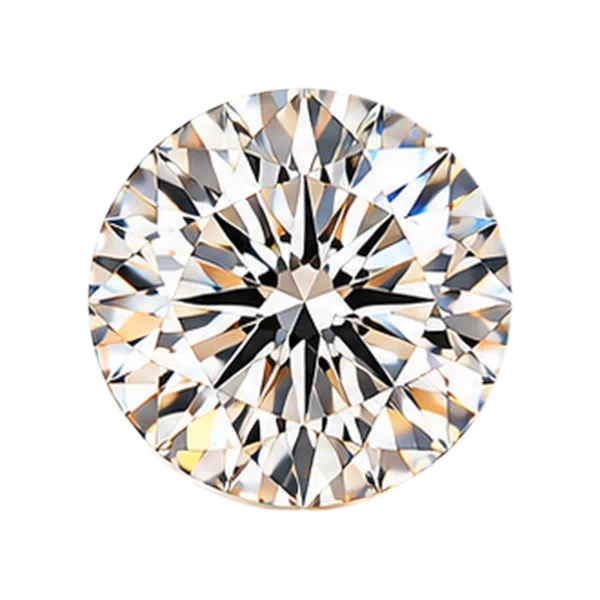
Delivers exceptional brightness, fire and sparkle by maximising light return through precise proportions, symmetry and polish.
.
VERY GOOD
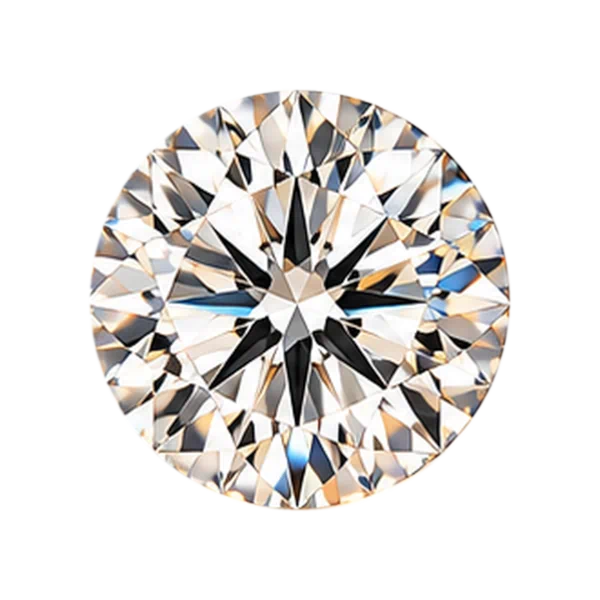
Offers excellent light performance with only slight compromises in proportions or finish compared to Excellent.
GOOD
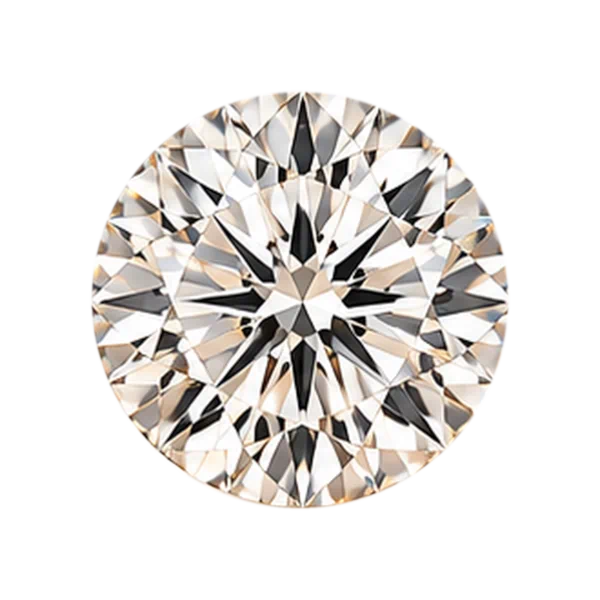
Provides reasonable brightness and sparkle, but may show some light leakage due to less ideal proportions.
FAIR / POOR
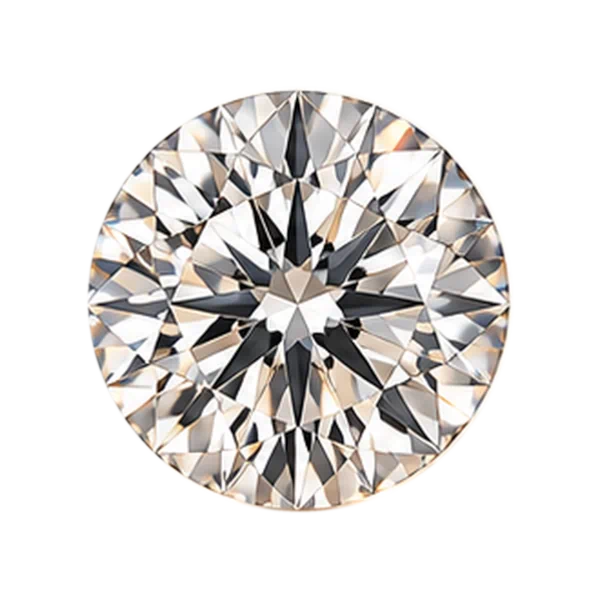
May appear duller with reduced brightness and sparkle due to less ideal proportions, symmetry or polish, allowing more light to escape.
For additional information about diamond cut grading, see the Gemological Institute of America (GIA) guide to diamond cut.
Cut, Polish and Symmetry
These three elements work together to influence how light enters, travels through and exits the diamond, creating its brilliance and beauty.

CUT
Considers the overall way the diamond’s proportions and facets influence its appearance.

POLISH
Describes the quality of the diamond’s finished facet surfaces.

SYMMETRY
Refers to the alignment and consistency of the diamond’s facets.
Together, they contribute to the overall visual quality of the diamond.
Diamond Cut vs Diamond Shape
A diamond shape refers to the outline of the diamond, such as Round, Oval, Emerald, Princess or Pear.
Diamond cut quality, on the other hand, describes how well the diamond’s proportions, facets and angles are crafted to optimise light performance, determining its brilliance, fire and sparkle.
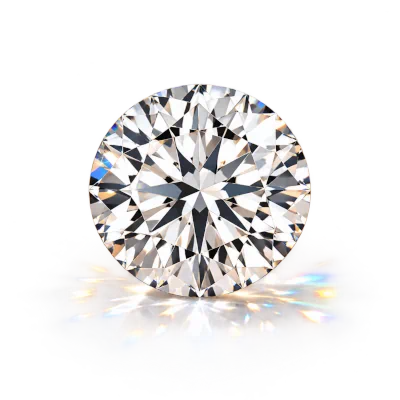
Same Shape
(Round Brilliant)
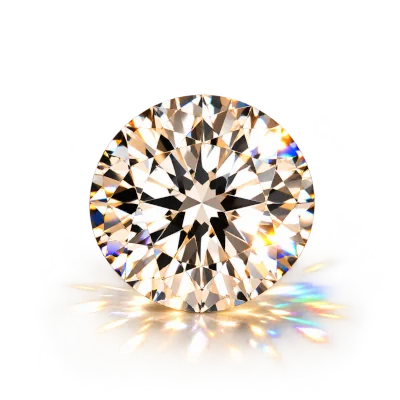
Different Cut Quality
(Different Brilliance)
Explore all diamond shapes in our detailed guide.
Does Cut Matter for Every Diamond Shape?
Yes, but cut evaluation varies by shape.
Round Brilliant diamonds are particularly associated with detailed cut grading and light-performance standards.
Fancy shapes such as Oval, Pear, Princess, Cushion and Emerald have different facet structures and proportions, so they should not all be judged in exactly the same way.
When comparing fancy shapes, proportions, symmetry and overall visual appearance become especially important.
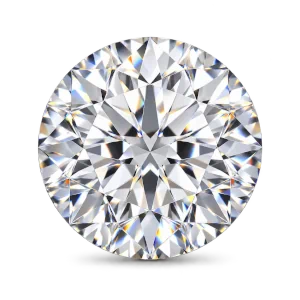
ROUND
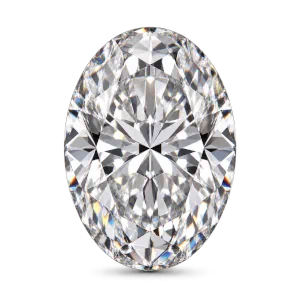
OVAL
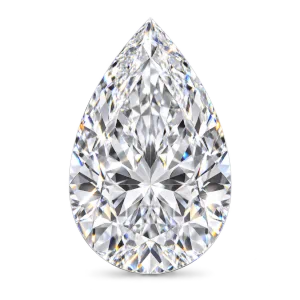
PEAR
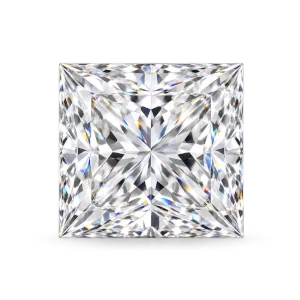
PRINCESS
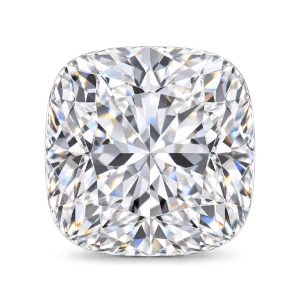
CUSHION
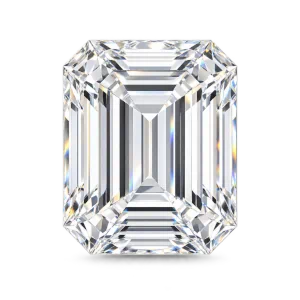
EMERALD
Cut and the 4Cs
Cut should be considered together with colour, clarity and carat weight. A balanced diamond does not necessarily require the highest grade in every category. Many buyers prioritise cut because strong light performance can have a significant effect on how bright and lively a diamond appears.
How to Choose Diamond Cut Quality
Diamond cut quality determines how effectively a diamond interacts with light, creating brilliance, fire and sparkle.

BRILLIANCE
Look for a cut that returns the most light to your eye, creating exceptional brightness.

PROPORTIONS
Choose well-balanced proportions so light enters, travels through and reflects back beautifully.

SYMMETRY
Ensure the facets are aligned and consistent, allowing light to reflect evenly.

POLISH
Check that the facet surfaces are smooth and free from visible marks or imperfections.

OVERALL APPEARANCE
Consider how the diamond looks in person, as cut quality brings all the elements together for a beautiful, balanced look.
The best diamond cut quality balances technical excellence with your personal preference, resulting in a diamond that looks beautiful to you and brings lasting joy.
Use this Diamond Cut Guide alongside the 4Cs and the diamond grading report when comparing stones. Cut quality should be considered together with the diamond’s proportions, symmetry, polish and overall appearance rather than judging a diamond by a single measurement.
Discover Diamonds with Exceptional Brilliance
Explore TONOUS engagement rings featuring diamonds in elegant shapes, proportions and settings designed to showcase their beauty.