


 Solitaire
 Side Stones
 Halo Rings
 Brilliant Cut
 Princess Cut
 Emerald Cut
 Marquise Cut
 Oval Cut
 Pear Cut
 Heart Cut
 Cushion Cut
 Diamond
 Black Diamond
 Ruby
 Emerald
 Blue Sapphire
 Stud Earrings
 Halo Earrings
 Hoop Earrings
 Brilliant Cut
 Princess Cut
 Emerald Cut
 Marquise Cut
 Oval Cut
 Pear Cut
 Heart Cut
 Cushion Cut
 Black Diamond
 Ruby
 Emerald
 Blue Sapphire
 Solitaire Pendants
 Halo Pendants
Natural vs Lab-Grown Diamonds: What’s the Difference?
t e2026-10-23T17:42:40+00:00DIAMOND EDUCATION
Natural vs Lab-Grown Diamonds
Natural and lab-grown diamonds share many of the same physical and visual characteristics, but they differ in origin and in how they are created.
Discover the key differences and learn what to consider when choosing the diamond that best suits you.
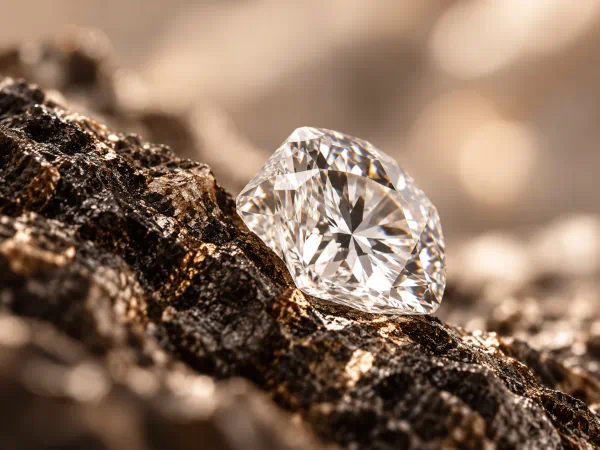
What Is a Natural Diamond?
A natural diamond forms deep within the Earth through geological processes that take place over extremely long periods of time. Under intense heat and pressure, carbon crystallises into the structure associated with diamond.
Natural diamonds are mined from the Earth and then cut and polished to reveal their brilliance, proportions and individual characteristics. Each natural diamond has its own formation history and may display different levels of colour, clarity and other natural characteristics.
What Is a Lab-Grown Diamond?
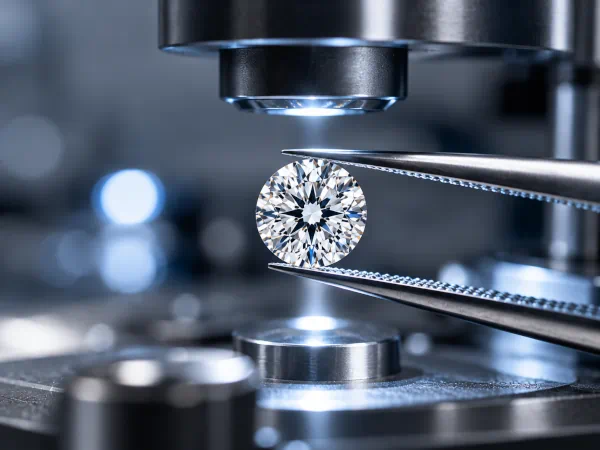
A lab-grown diamond is created in a controlled laboratory environment using advanced technology designed to reproduce the conditions in which diamonds can form.
Lab-grown diamonds have essentially the same crystal structure and very similar physical and optical properties as natural diamonds. They can also display exceptional brilliance, clarity and colour.
The key difference is their origin: a natural diamond forms through geological processes in the Earth, while a lab-grown diamond is created through a controlled technological process.
Natural vs Lab-Grown Diamonds: Key Differences
Origin
Formed in nature over billions of years vs. created in a lab.
Formation
Natural geological process vs. advanced technology.
Availability
Rarer and more limited vs. more widely available.
Price
Typically higher price per carat vs. generally lower price per carat.
Environmental Factors
Mined from the Earth vs. produced in a controlled environment.
Certification
Graded by leading gemological institutes (GIA, IGI) for both types.
Choosing Between Natural and Lab-Grown Diamonds
When comparing natural vs lab-grown diamonds, it is helpful to look beyond origin alone. Both options are available in different shapes, carat weights, colour and clarity grades, so the best choice depends on the characteristics that matter most to you.
The comparison between natural vs lab-grown diamonds also includes factors such as budget, rarity, availability and personal preference. A natural diamond may appeal to someone who values geological origin and rarity, while a lab-grown diamond may appeal to someone looking for different size or quality options within a particular budget.
Understanding natural vs lab-grown diamonds makes it easier to compare individual stones and select a diamond that works beautifully with your preferred engagement-ring design.
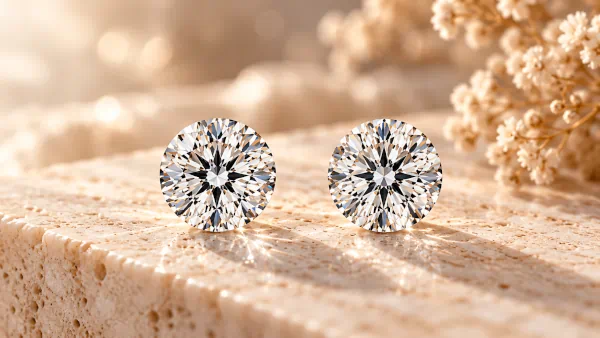
Do They Look the Same?
Yes. To the naked eye, a high-quality natural diamond and a high-quality lab-grown diamond can be extremely difficult to distinguish from one another.
Both can display brilliance, fire and sparkle and are available in a wide range of shapes, sizes, colours and clarity grades.
Determining the origin of a diamond reliably generally requires specialised gemological testing and appropriate equipment.
The 4Cs: Cut, Colour, Clarity & Carat
Both natural and lab-grown diamonds can be evaluated according to the well-known 4Cs of Diamonds: Cut, Colour, Clarity and Carat Weight.
A diamond’s origin alone does not determine its beauty or visual performance. Cut quality, proportions, colour and clarity can all influence how a diamond interacts with light and how it appears when set in an engagement ring.
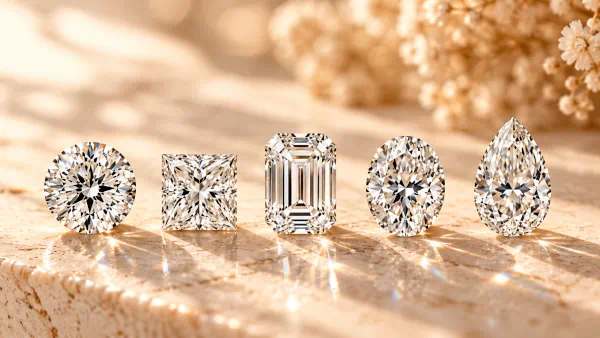
Diamond Certification
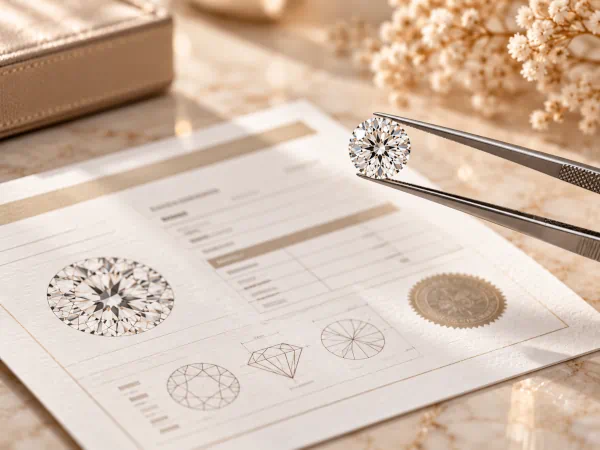
Independent gemological assessment can help buyers better understand the characteristics of a diamond.
A grading report may include information about carat weight, colour, clarity, proportions and other characteristics. For a lab-grown diamond, the report may also identify its laboratory-grown origin.
Certification can be especially useful when comparing diamonds with similar specifications before choosing a stone for an engagement ring.
For additional information about diamond grading and laboratory-grown diamonds, visit the Gemological Institute of America (GIA).
Price and Value Considerations
Price is one of the most noticeable differences between natural and lab-grown diamonds.
Lab-grown diamonds often allow buyers to choose a larger stone or higher specifications within a particular budget.
Natural diamonds, on the other hand, are defined by their geological origin and the rarity of the natural processes through which they are formed.
The right choice should not be based on price alone. It is also important to consider the quality of the diamond, the ring design and your personal priorities.
Which Diamond Is Right for You?
Choosing between a natural and a lab-grown diamond is a personal decision.
Some people are drawn to the natural origin, rarity and geological history of a natural diamond. Others prefer the technology and different purchasing options associated with lab-grown diamonds.
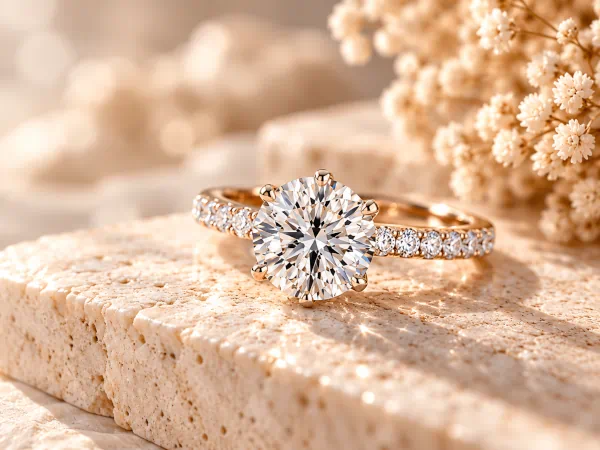
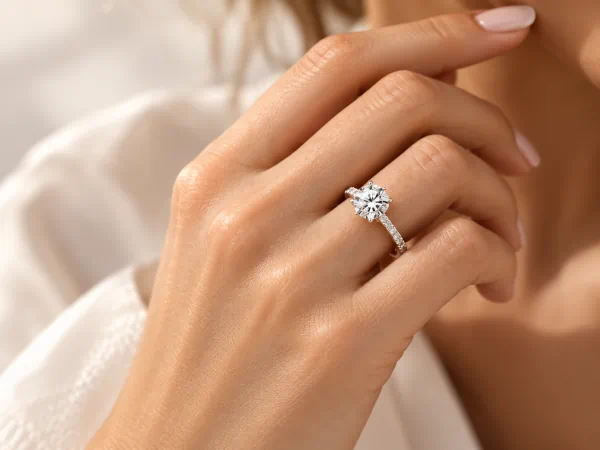
Both categories can create beautiful engagement rings. Rather than asking which is universally “better,” consider which option best matches your preferences, the design you love and your budget.
TONOUS
Discover Natural and Lab-Grown Diamond Rings
Discover engagement rings featuring natural and lab-grown diamonds in timeless shapes and elegant settings.